We know that being part of a collaborative piece of improvement work is often just the beginning of the journey and that embedding a quality improvement approach requires a relentless focus and for us to pay attention to all parts of the QI Journey.
Perth and Kinross Council were part of the Collaborate online programme to explore how to improve early language and communication in ELC settings and focused their effort on monitoring and tracking data and using data to act. They tested change ideas to:
By systematically tracking measures in ELC settings, Perth and Kinross not only gained a holistic view of their current system impact; this allowed them to be curious about gaps, reliability and areas for potential improvement. Over time they have been ensuring that improvements tested are sustainable and continue to enhance the learning experience for their children in ELC settings. Six months after finishing the programme, we asked them what they did, what impact this has had so far and what their plans and next steps were. This is their story.
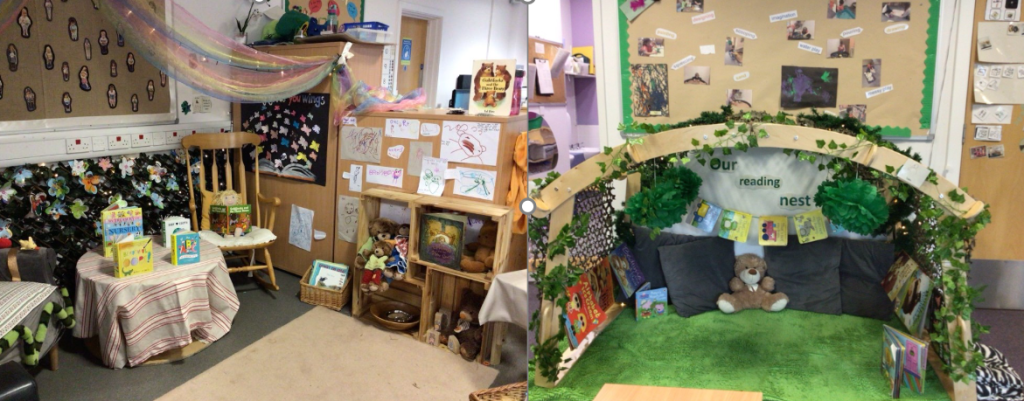
We didn’t create lots of new processes as we already have established Communication Champion leadership roles in almost all ELC settings who focus on speech, language and communication professional learning. We set an ambitious improvement aim using the change theory which was that by June 2024 all children in ELC experience language rich environments daily which improve their talking and listening.
We first identified settings to be involved based on speech and language data from May 2023. We also looked at settings with speech and language on their improvement plan. We built on things that were already happening to make people feel this was not lots of additionality and used existing networks, along with online posts and resources which could be engaged with easily. We also didn’t wait for everyone to be ready; we worked with the willing and where conditions were most favourable but were already thinking what taking this further might mean.
We tested it with 13 early years support teachers and the early years Communication Champion in the identified settings. The teachers supported and demonstrated the benefit by using PDSA ( plan , do, study, act) example that showed how the improvement methodology can be used. We met together to moderate assessments and learn from each other. ELC staff could see it was helping them do their job and the results.
We used a range of measures to test and evidence impact.
We have increased settings knowledge of how to use data to act to improve and spread the use of taking on an improvement methodology approach, using data from our tracker to analyse what aspect most needs to be improved with regards to speech, language and communication across almost all ELC settings.
Improvements in staff skills and knowledge of the practitioners involved in the PDSA cycles were evidenced. One of the biggest factors affecting sustainability is changes in staffing and leadership, so we knew we needed to focus on sustaining the programme.
This year we:
The main benefit of using the QI approach is to focus on key areas of improvement and remain focussed on outcomes which you can measure both qualitatively and quantitively. We know we need to continue to have a focus on early language and communication, as this continues to be of concern both locally and nationally.
The Communication Champion Leadership role will continue to as part of our core work with ELC settings.
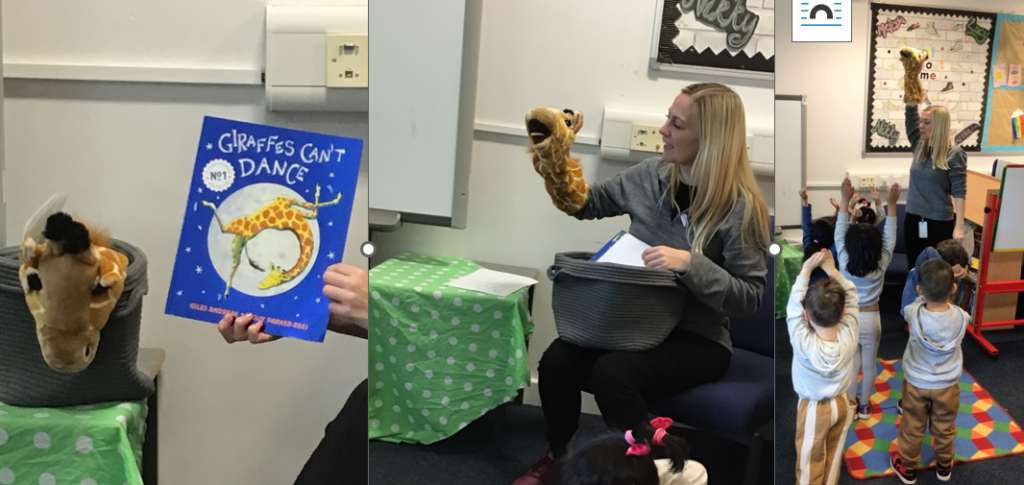
We identified that we needed to work more closely with families, and our practitioners who work with our Strong Start 2-year-olds will learn from a refreshed Story Safari programme which is taking place as a test of change with 7 ELC settings.
This programme allows us to use measurable data to identify impact of the programme. This will be built on in 2025/26 with the aim this will support all our ELC settings who are working with our most vulnerable families.
To find out more about our work, please contact Pauline and Linda: elc@pkc.gov.uk